Outsourcing
by DW Green — October 11, 2017

Stick to the netting
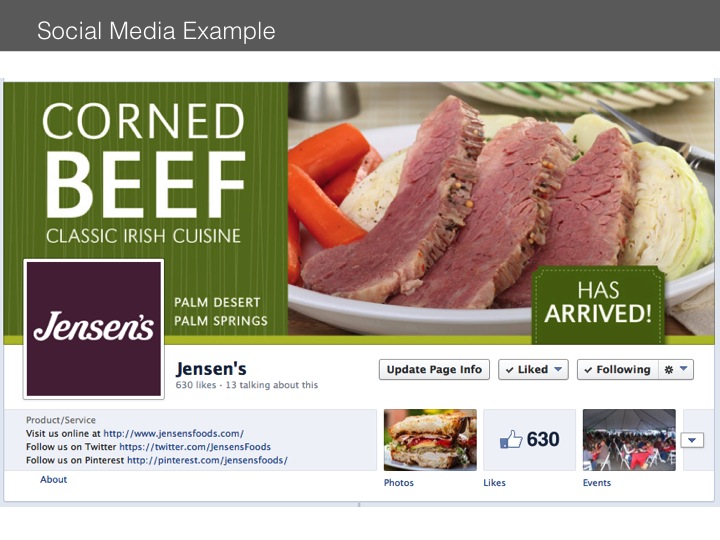
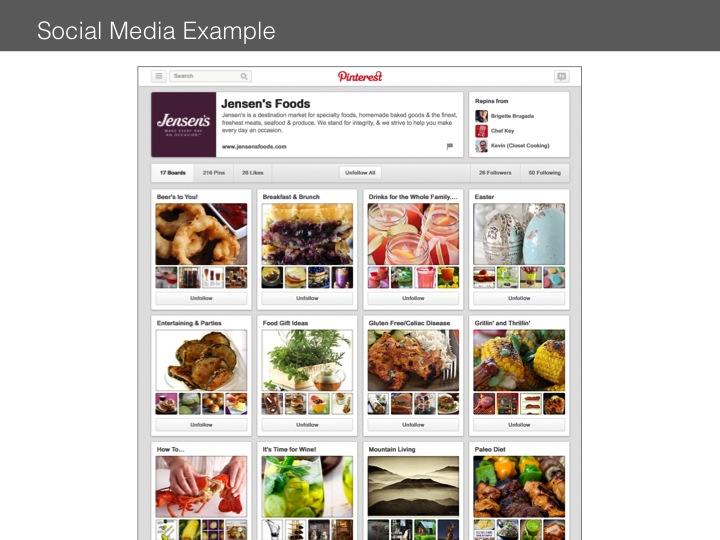
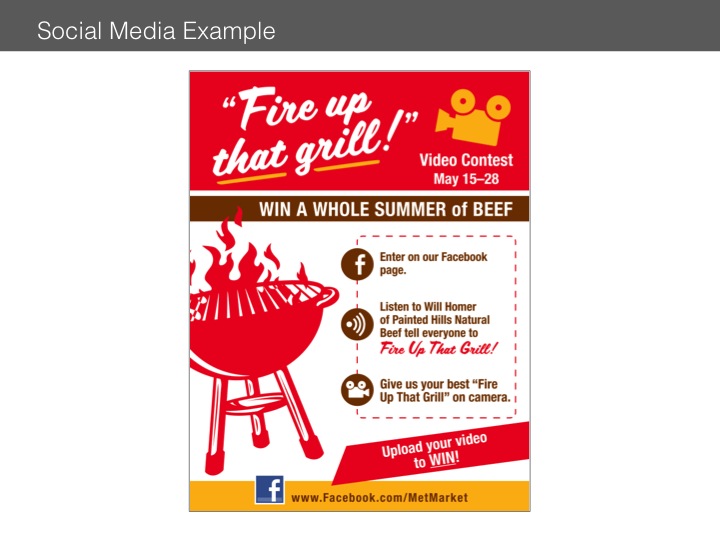
In Search of Excellence, Tom Peters’ famous book first published in 1982, describes eight basic principles of management that made forty-three of America’s best-run companies successful. One of the principles was “Stick to the netting.” Stay with the business you know and outsource the rest! Retail grocery is about selling and merchandising. Not advertising and marketing design.
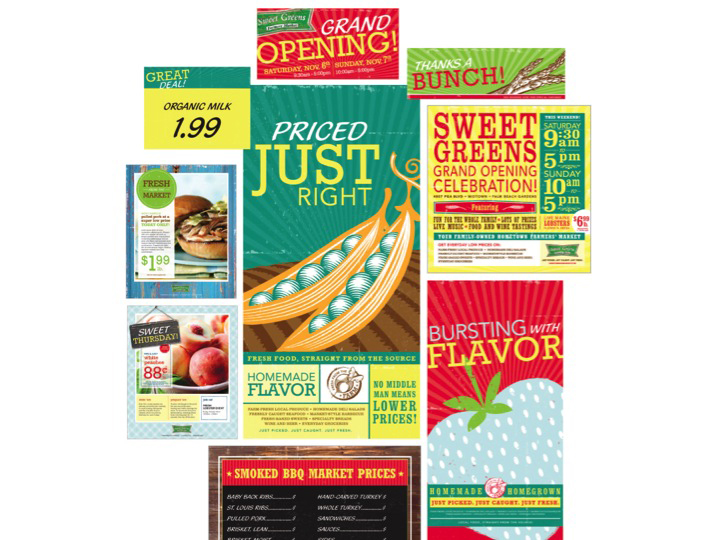
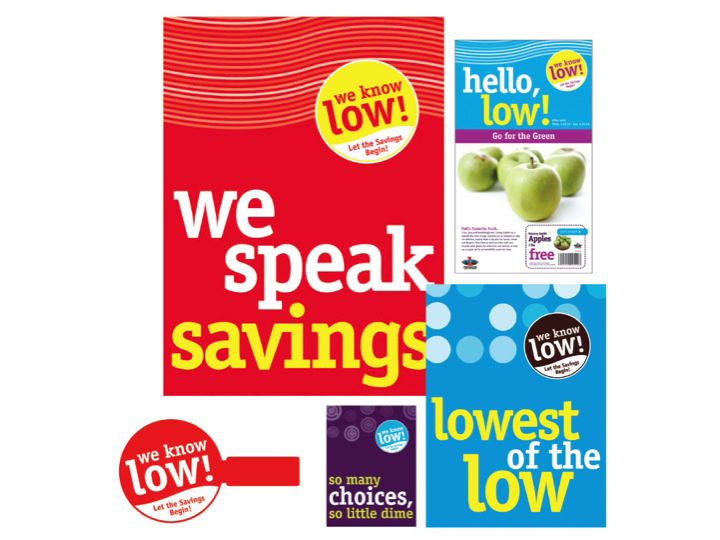
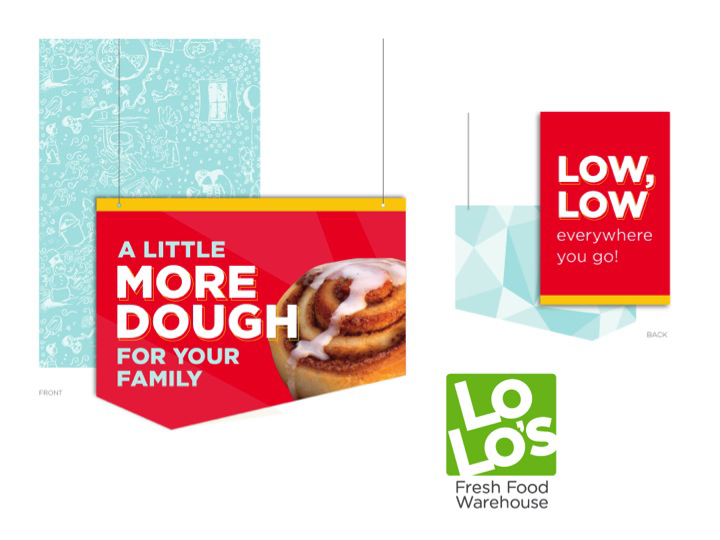
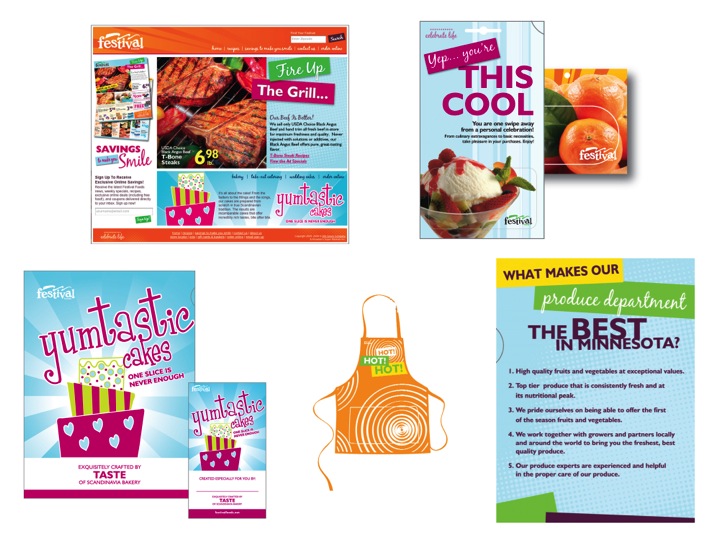
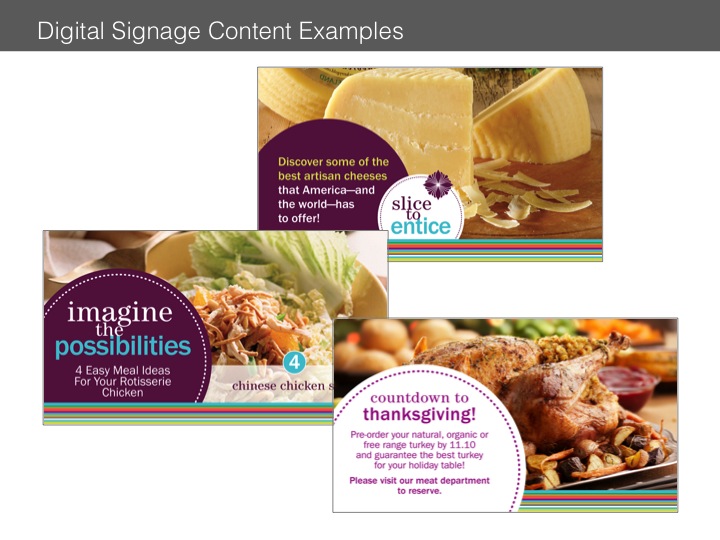
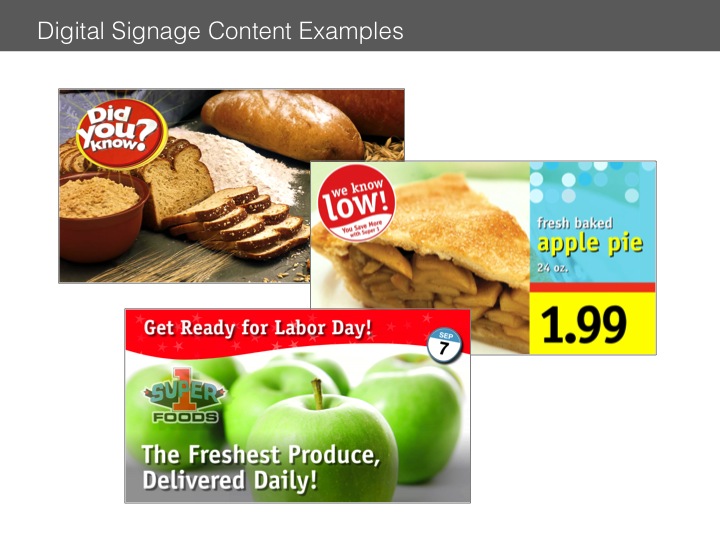
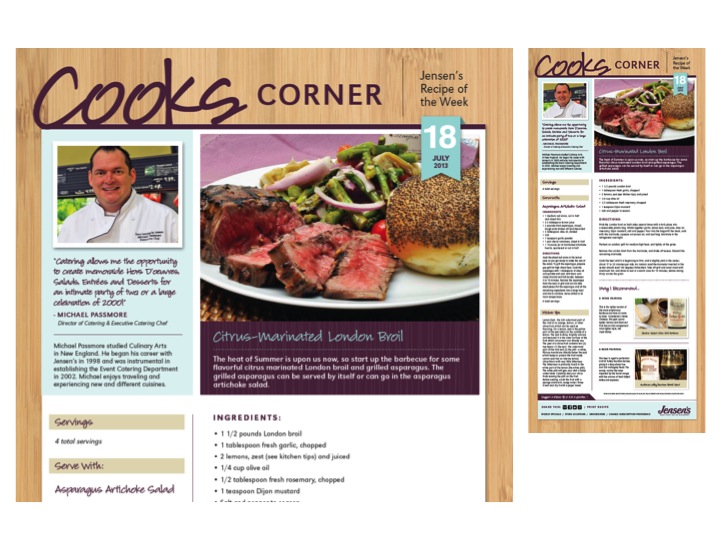
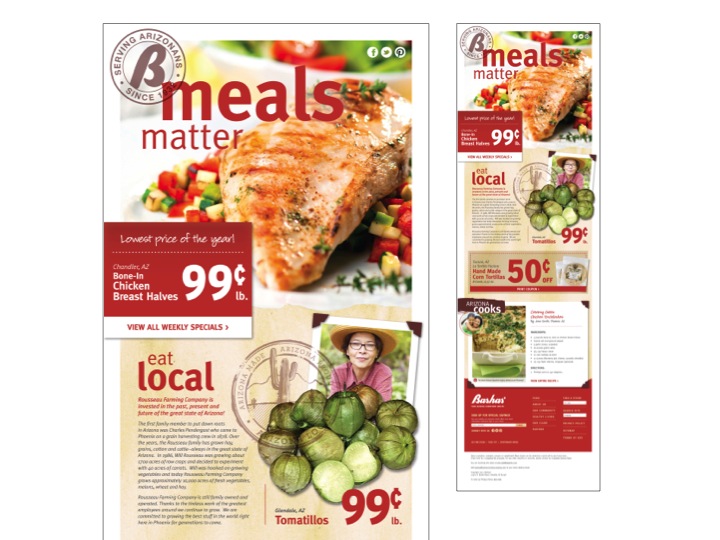
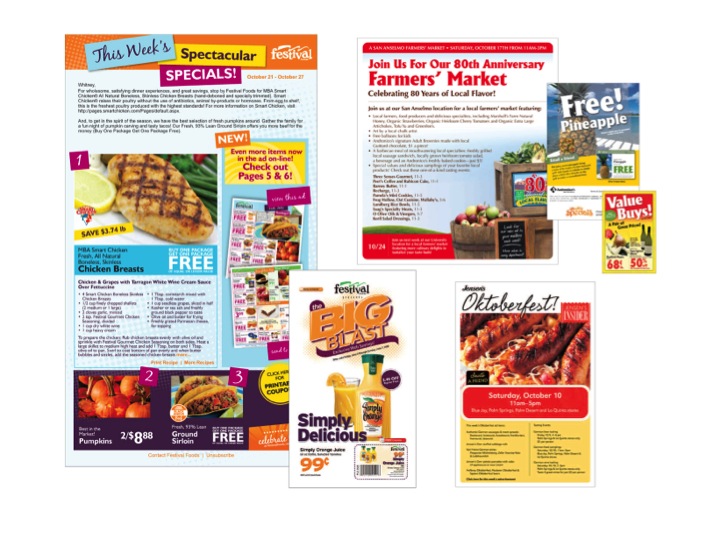
On the surface in-house ad departments can seem more efficient and cost effective. However, if you look deeper into the actual cost of maintaining a highly professional advertising design team those cost can be much more than what you thought. Often times in-house ad departments become a source of overhead that limit or reduce resources needed to improve retail activities that directly improve sales and customer experience. Not to mention the negative impact poorly designed materials can have on your company’s brand.
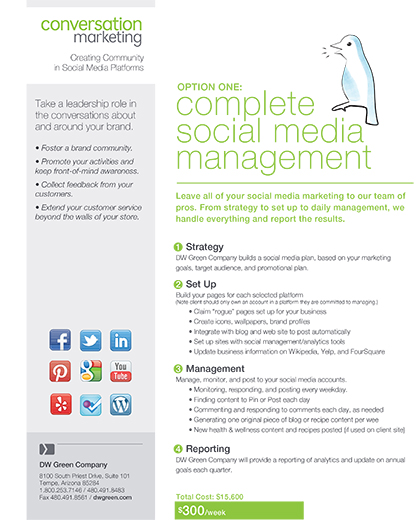
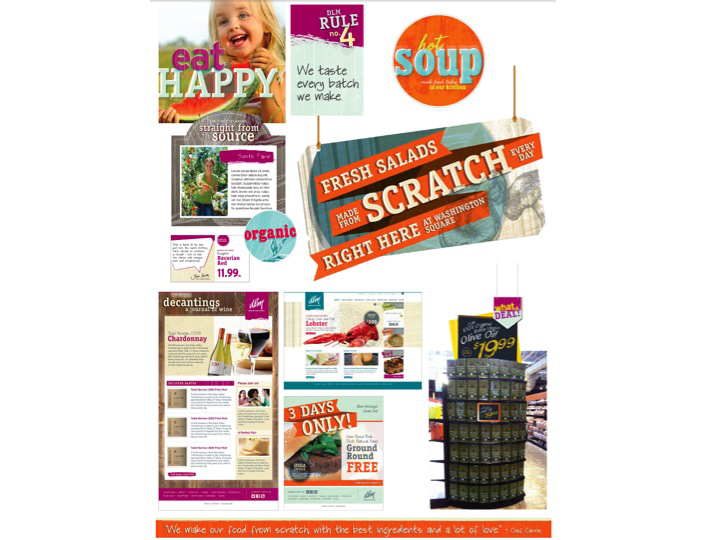
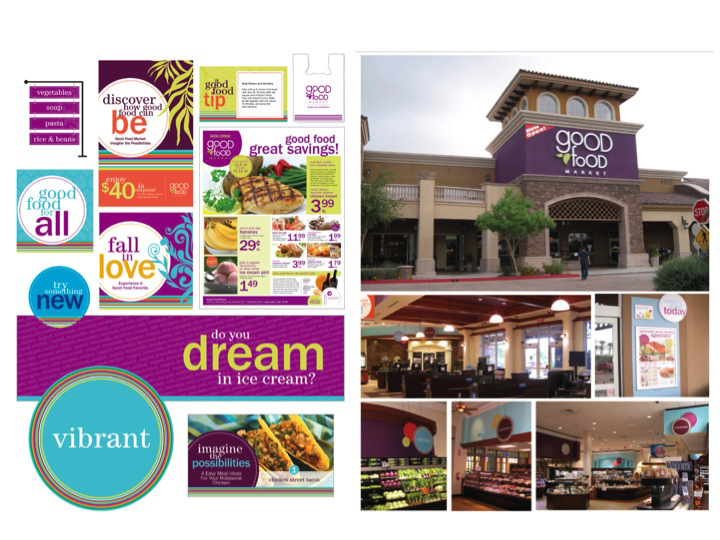
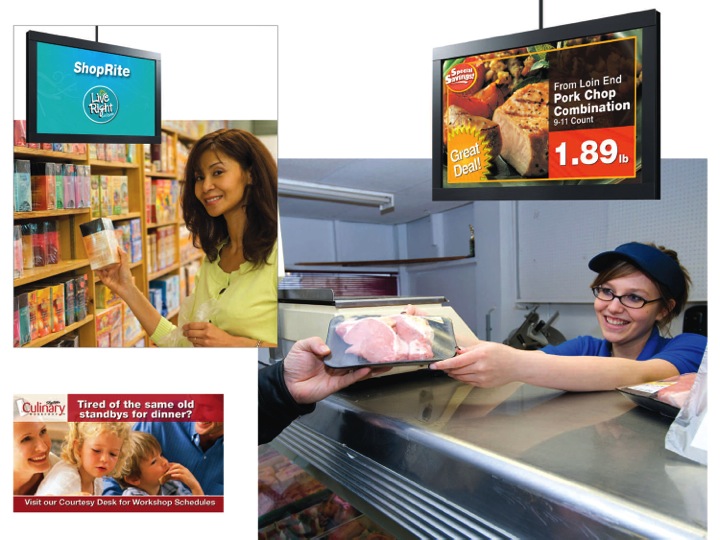
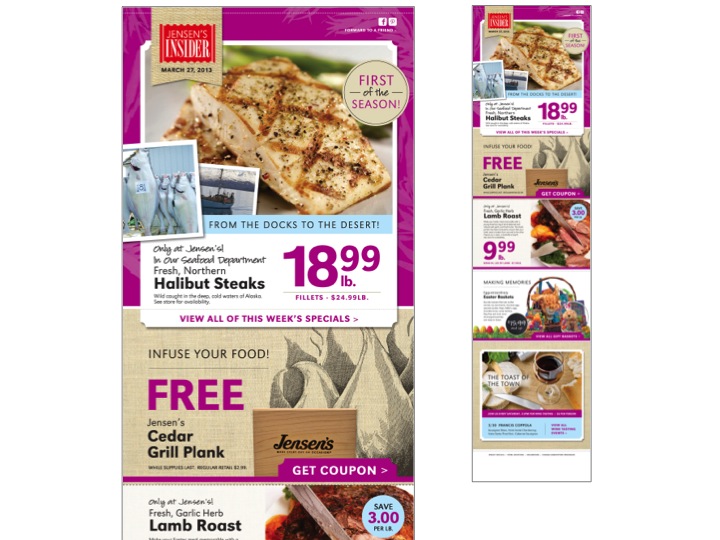
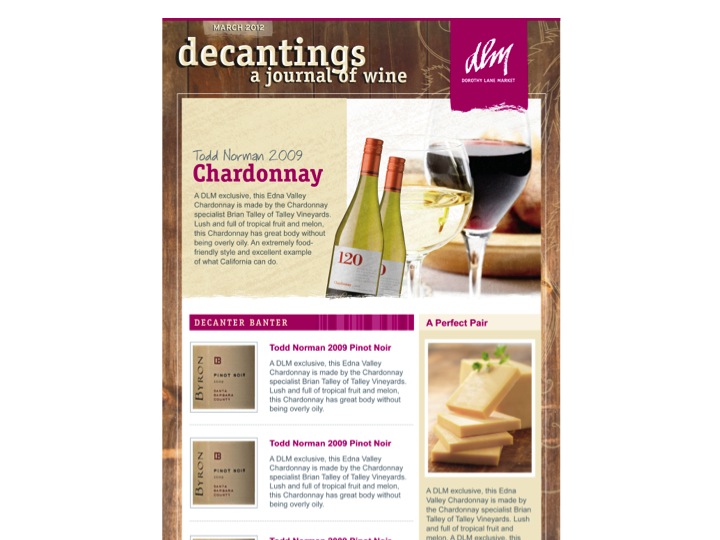
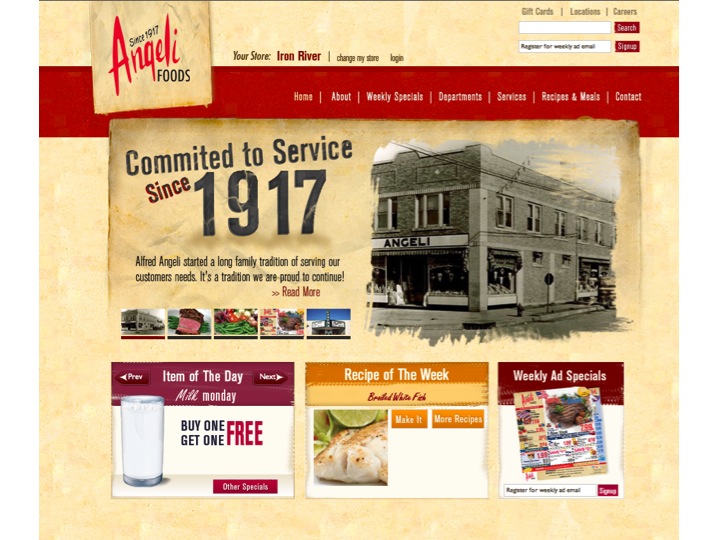
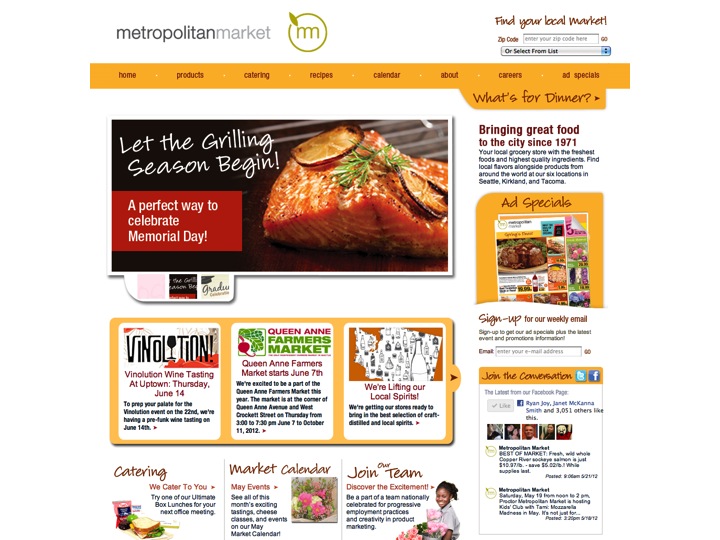
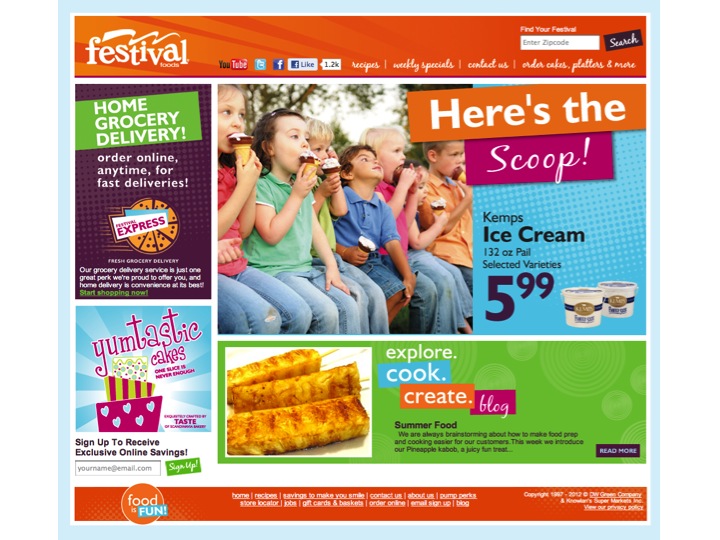
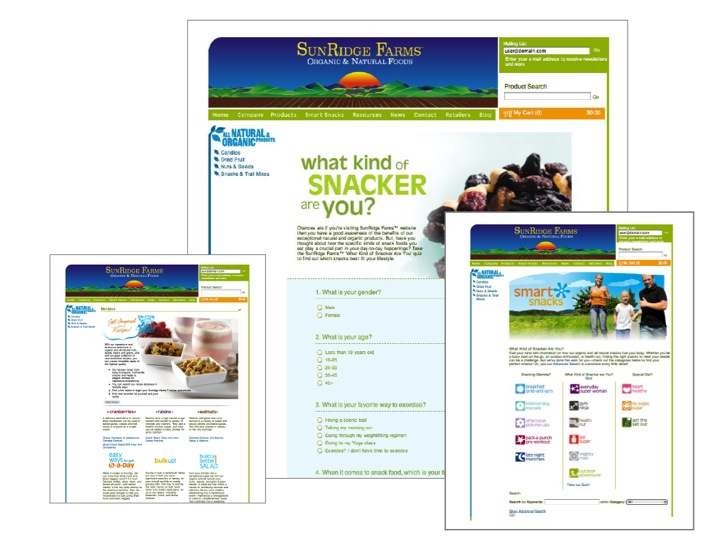
The added cost of office space, computer hardware and software and their ongoing maintenance, as well as photo libraries, insurance, and labor benefit packages can make the benefits of an in-house department much less attractive. Even the rate of pay necessary to attract talented designers can be problematic. Outsourcing design work to a professional design/brand firm like DW Green Co. can end up saving you money and provide you with a much better end product that will help increase sales, customer count, and brand image.
In much the same way, keeping your team productive also means keeping their tools current and dependable. With the arrival of the new Windows 11, efficiency isn’t just about shiny visuals—it’s about smoother workflows, tighter security, and features that actually respect how people have always gotten work done. But just as with in-house design, cutting corners on software licensing can quietly cost more in lost time and headaches. Many businesses end up searching forums like windows 11 retail key reddit trying to save a few bucks, only to trade short-term savings for long-term friction. Investing in a proper, legitimate setup ensures your systems run clean, updates work as intended, and your team can focus on doing real work instead of wrestling with pop-ups and patchy performance. Sometimes the old rule still applies: buy it right once, and you won’t have to buy it twice.
The same “stick to the netting” principle applies just as strongly to how organizations manage their technology infrastructure. While it may seem efficient to build and maintain complex IT systems entirely in-house, the hidden costs often mirror those of internal design departments.
Specialized expertise, ongoing maintenance, security oversight, licensing, upgrades, and compliance requirements quickly add layers of expense and risk that distract from core business objectives. When internal teams are stretched thin managing systems outside their primary focus, innovation slows, data reliability suffers, and operational efficiency declines—ultimately affecting customer experience and profitability just as poorly executed branding would. For many businesses, especially those driven by data, a more strategic approach is to rely on proven enterprise software while optimizing how it is acquired and managed.
Robust database platforms are foundational to operations such as inventory control, analytics, reporting, and customer management, but they don’t need to become a drain on resources. Solutions like SQL Server 2022 exemplify how this Microsoft product supports scalability, performance, and security without requiring organizations to reinvent the wheel internally. By pairing the right enterprise software with smarter procurement and external expertise, companies can reduce overhead, protect critical data assets, and keep their focus where it belongs—on the activities that directly drive growth, efficiency, and long-term competitive advantage.
Read More – In Defense of Outsourcing
Filed Under: DW's Blog